The Claws Return to Lebanon
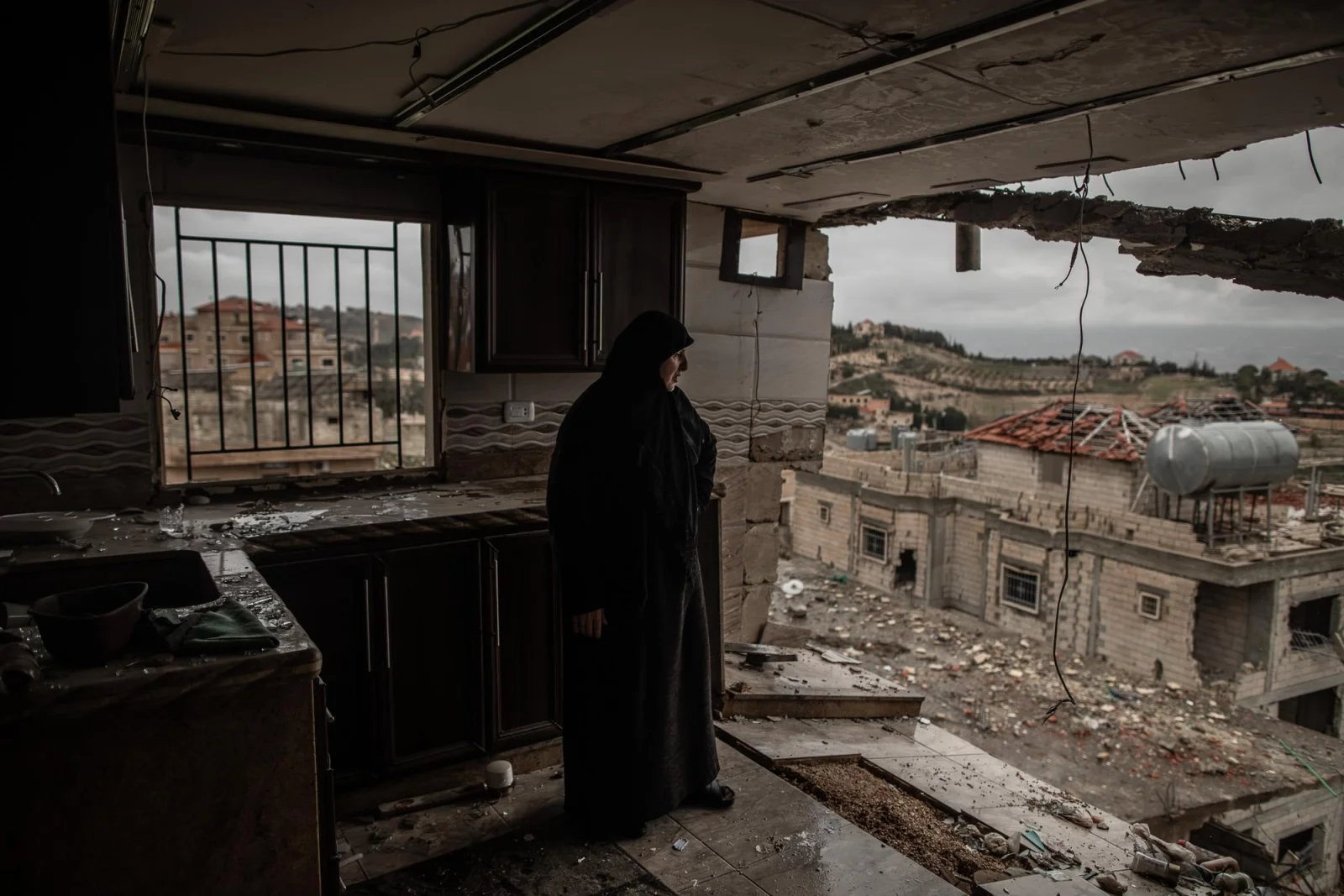
Um Hamed, una mujer libanesa desplazada de Nabi Chit (Al-Nabi Shayth), regresa para inspeccionar lo que queda de su hogar tras varios días de ausencia. Su vivienda fue reducida a escombros por un ataque aéreo israelí en el marco de una de las operaciones más controvertidas de la ofensiva. Durante la primera semana de marzo, el ejército israelí ejecutó una incursión comando nocturna con el objetivo de recuperar los restos de Ron Arad, un piloto desaparecido en 1986. La operación resultó fallida y desencadenó una respuesta de la población local, que plantó cara a las fuerzas incursas. En su retirada, las fuerzas israelíes castigaron la zona con una ola de bombardeos sistemáticos, dejando tras de sí un rastro de destrucción total que ha forzado el éxodo masivo de los residentes de Nabi Chit. Líbano
Lebanon bleeds from the same wounds that could never be bandaged.
“Do you hear that sound? We call it the sound of the monster,” points out Mahdi Abu Zeid, a 30-year-old volunteer paramedic, while gesturing toward the sky in reference to the constant hum of the Israeli drone.
At that moment, Mahdi does not know that this same sound, just one week later, will be the last sound he ever hears. While evacuating his colleagues, Mahdi is killed by a drone strike, becoming one of more than 80 healthcare workers killed by Israel since the start of this offensive in Lebanon, which began on March 2nd.
This new incursion is not an isolated event. As in Gaza, the Israeli government's rhetoric has revived the dehumanization of the Arab as a "human animal" or "savage" to strip them of their right to existence and to their land. This is not merely a military operation; it is a colonization strategy to empty the territory and justify its occupation. The systematic killing of healthcare workers and the destruction of civilian infrastructure seek to turn southern Lebanon into an uninhabitable zone, paving the way for a territorial expansion that is no longer even concealed.
Israel began this offensive by issuing a death sentence south of the Litani River: anything remaining in that area would be considered a target. Weeks of bombings sought to impose a "buffer zone" of rubble in places where its army has barely managed to advance a few kilometers. Now, under the shadow of a ceasefire, they have drawn a new border: the "Yellow Line."As in Gaza, this boundary is not only military but extractivist; it extends to the sea to ensure control of valuable energy deposits. The modus operandi repeats itself in the face of the passivity—implying inaction—of the international community: the adversary is dehumanized to justify annihilation, while the map of Israel expands.
The toll of this latest offensive in just over a month is devastating: it has already exceeded 2,300 deaths, including 130 children and 110 women, as well as 15 journalists—the latest killed on April 22nd during the supposed ceasefire. With around 6,700 wounded and more than one million displaced people forced to flee their homes, the country faces an unprecedented humanitarian crisis.
The evidence is clear and visible to anyone willing to look: bombed hospitals, forced displacements, direct attacks on UNIFIL, the use of white phosphorus, and the systematic erasure of southern villages. To this is added the destruction of critical infrastructure. Everything is documented, but it hits the wall of international inaction. A global community that, after years of normalizing the agony in Lebanon and the genocide in the Strip, has validated extermination as an acceptable political tool.
It is not that we did not know what was coming; it is that silence has become the background music of this new tragedy. Today, that lack of response allows the same pattern of destruction executed in the Strip to be transferred now, with the same impunity, to Lebanese territory.
Las garras vuelven al Líbano
El Líbano se desangra por las mismas heridas que no pudieron vendar.
Elsaltodiario.com
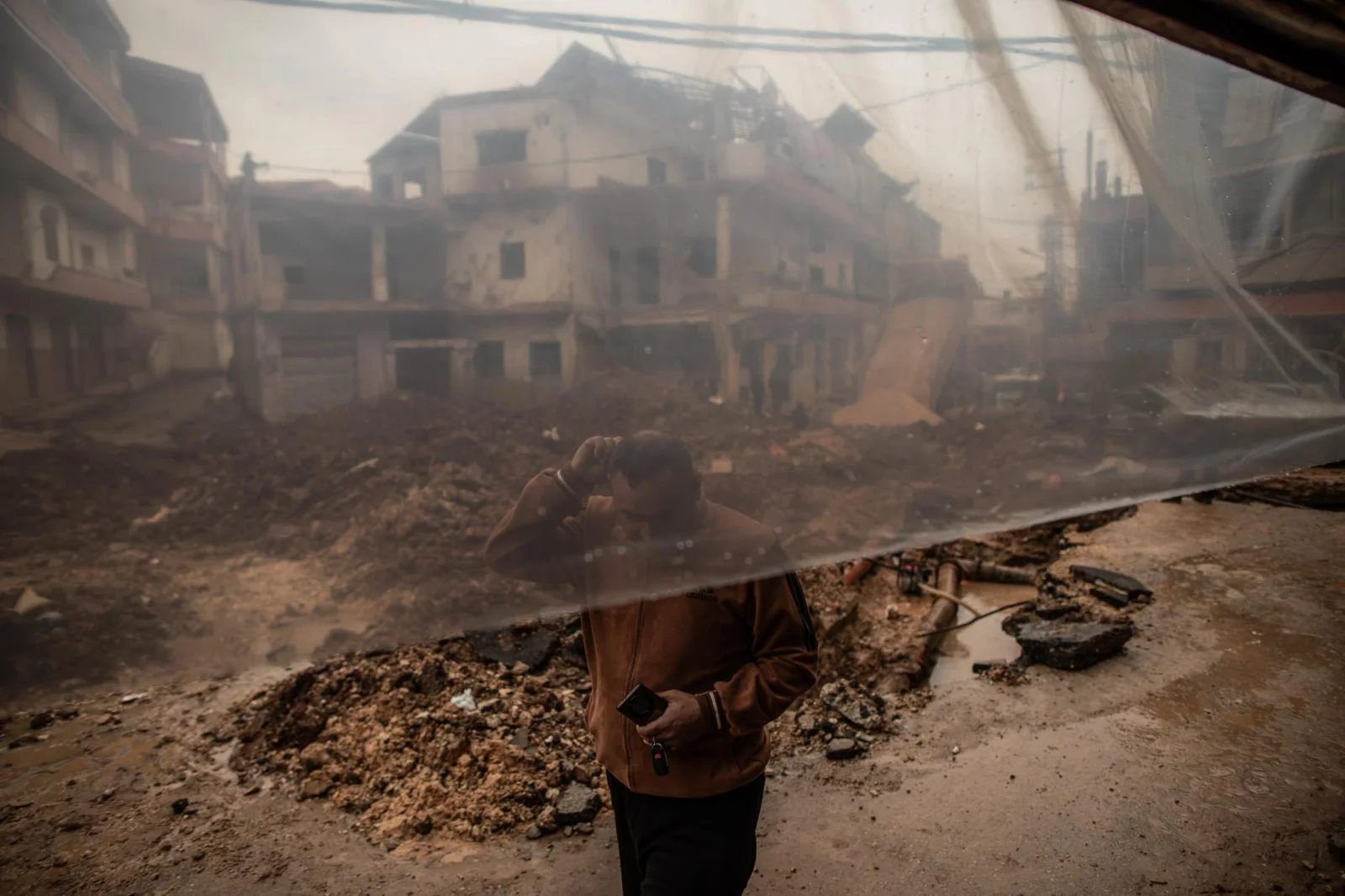
Un residente de Nabi Chit pasea por el centro de la localidad, convertido ahora en un escenario de ruinas y soledad. Tras la fallida operación comando de Israel a principios de marzo y los posteriores bombardeos sistemáticos Líbano
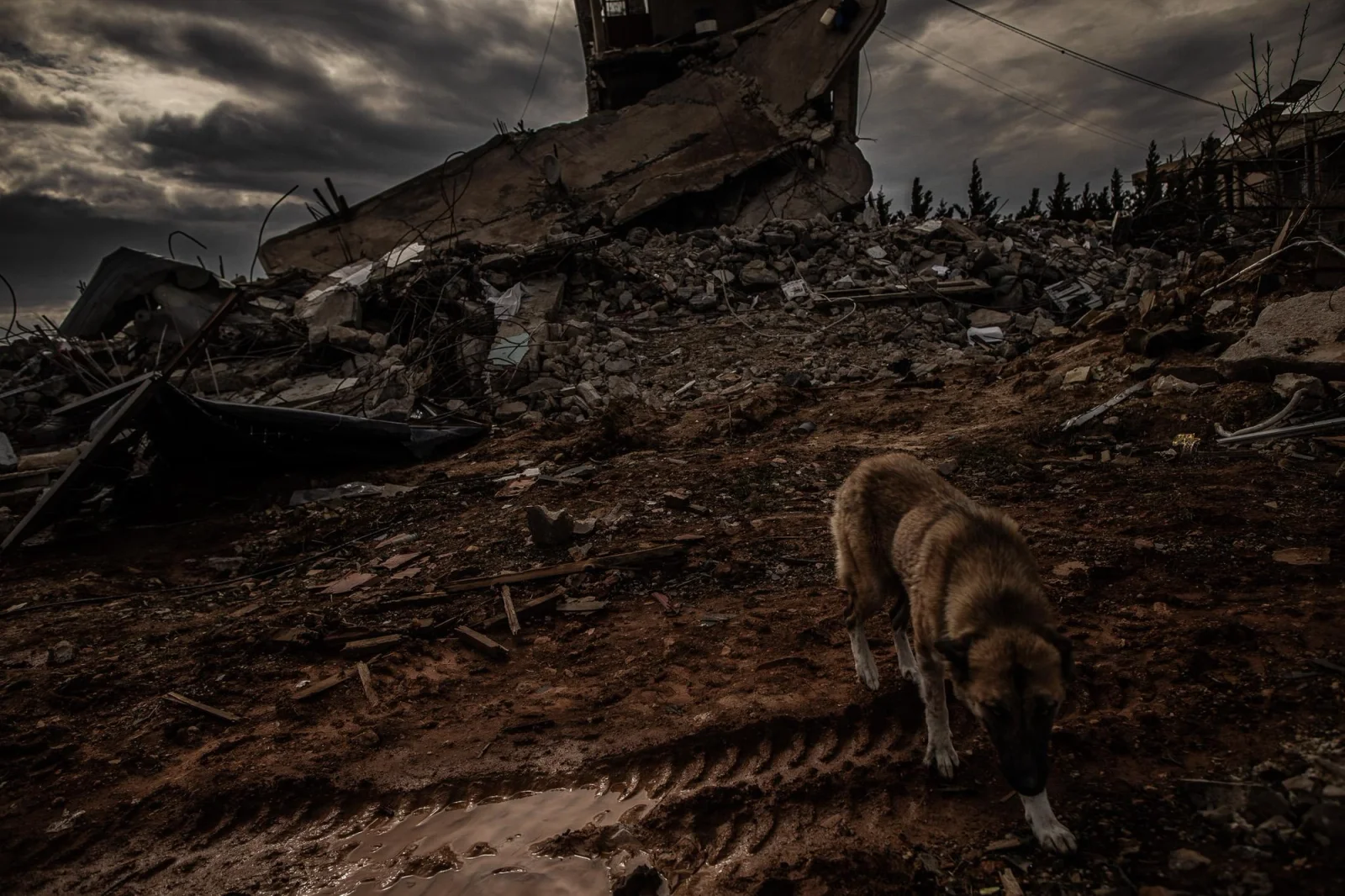
Un perro entre los escombros de una vivienda en Baalbek tras un bombardeo israelí que acabó con la vida de toda la familia que residía en ella, mientras celebraban el iftar Líbano
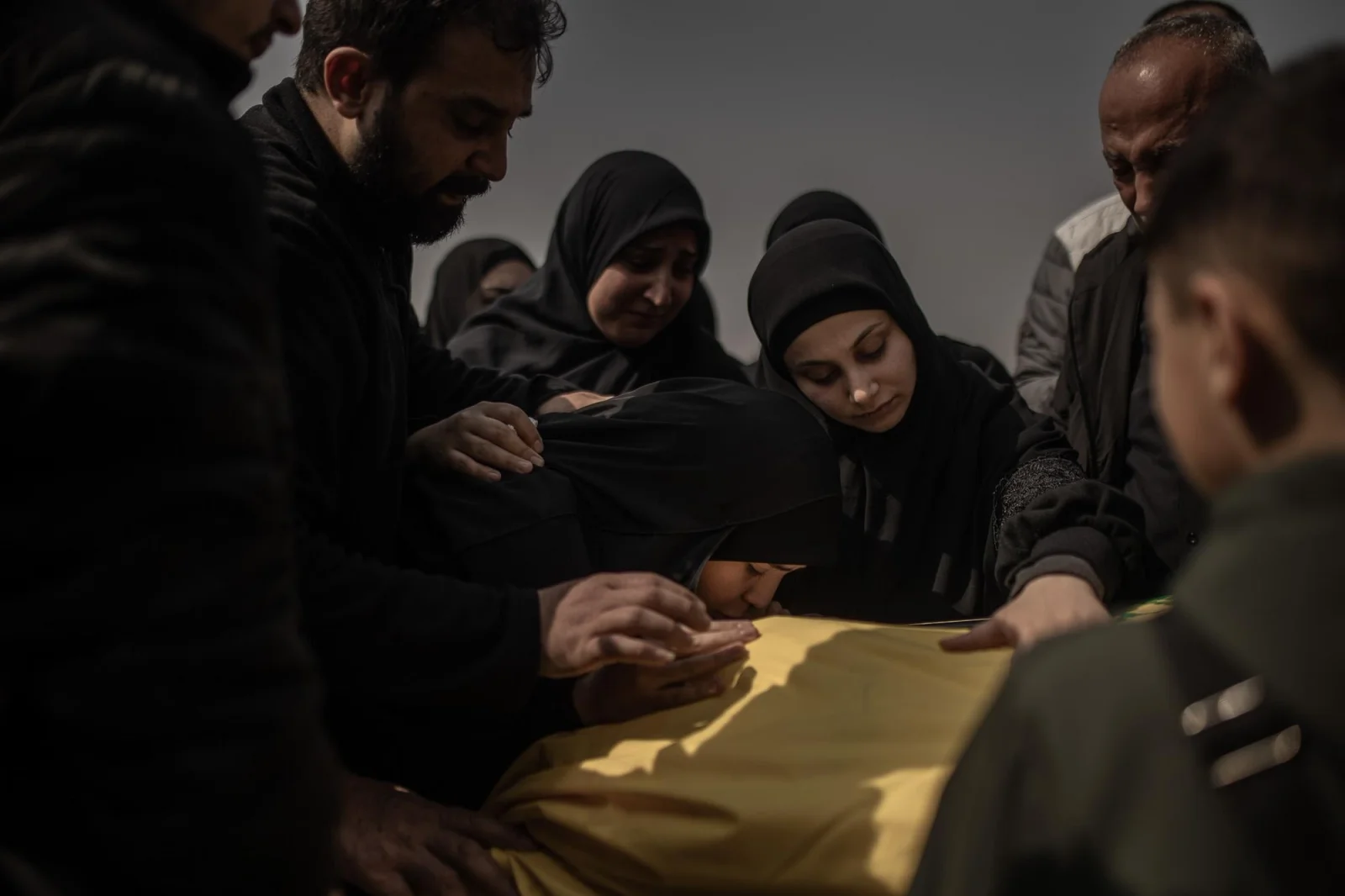
Familiares de un paramédico libanés se despiden de él en su funeral en el sur de Beirut en un cementerio improvisado esperando poder enterrarlo en un lugar seguro. Líbano
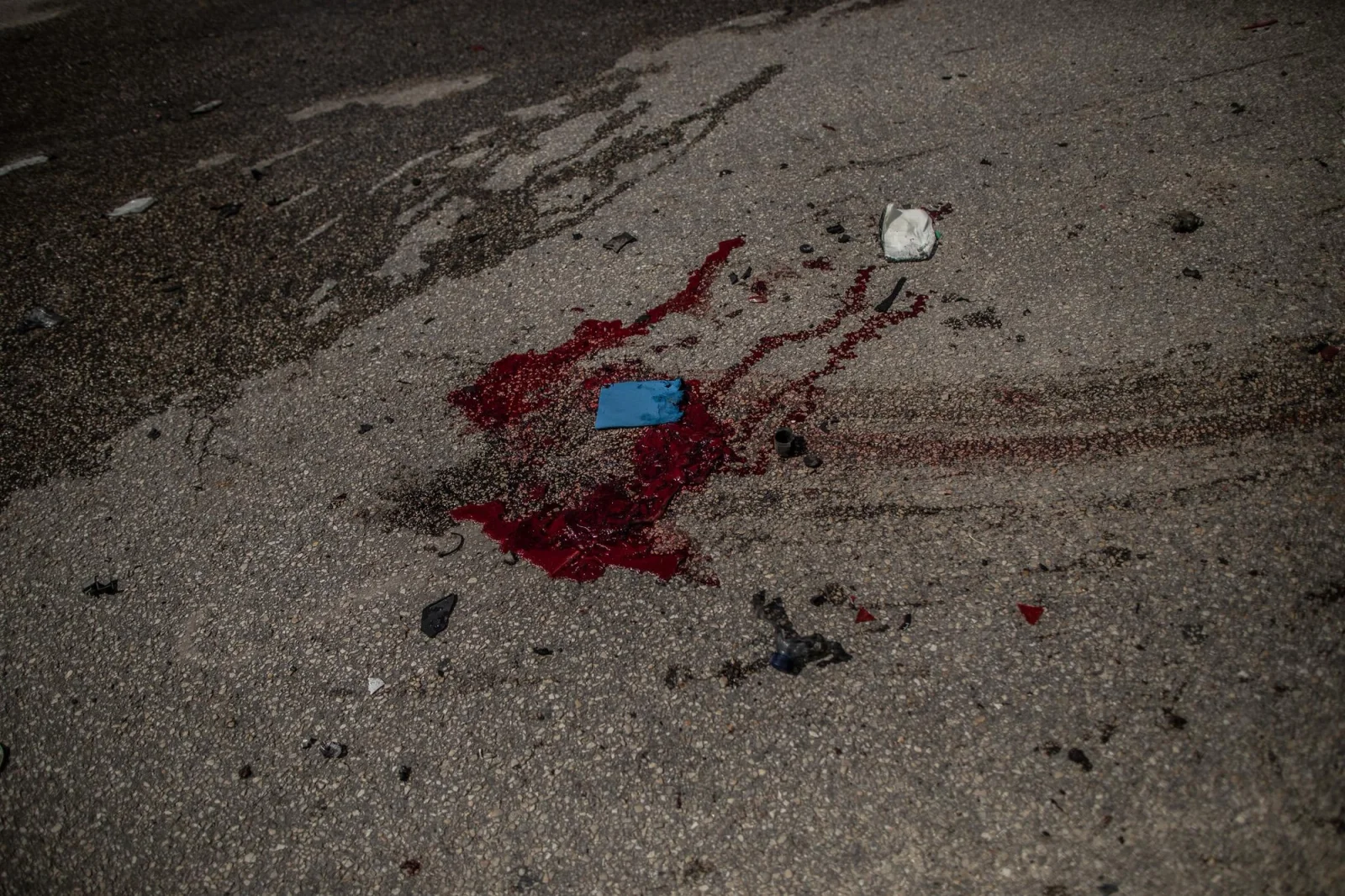
Restos de sangre sobre el asfalto tras el ataque selectivo con un dron israelí que acabó con la vida de los jóvenes paramédicos Joud Mohammad Suleiman y Ali Hassan Jaber en Nabatieh, Líbano. Ambos circulaban en motocicleta cuando fueron alcanzados por el proyectil, Líbano
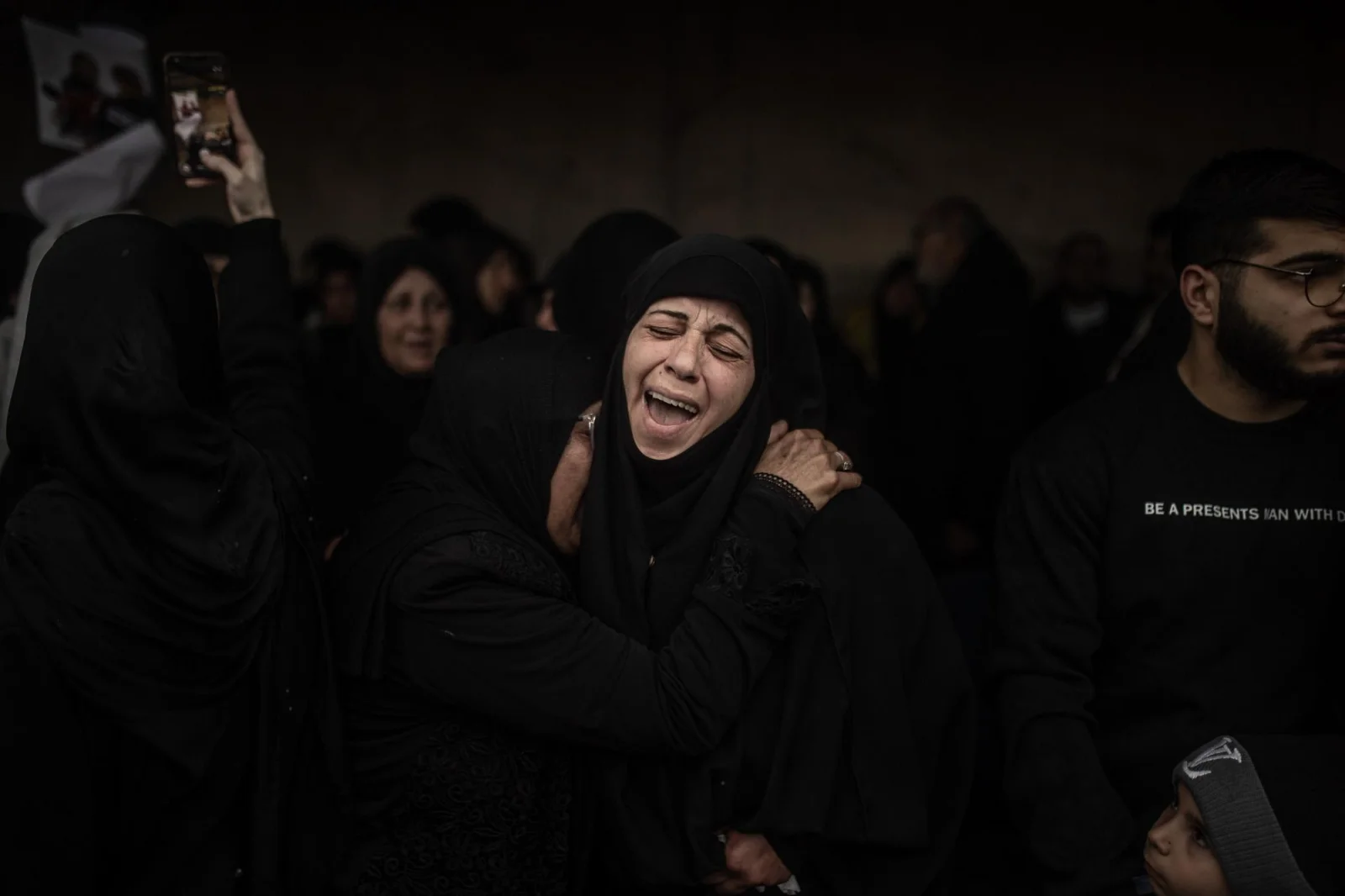
Una mujer rompe a llorar durante el funeral de los periodistas Ali Shoeib, Fátima Ftouni y Mohamed Ftouni, asesinados en un bombardeo israelí en el sur del Líbano. Los reporteros murieron cuando un misil alcanzó su vehículo, que circulaba claramente identificado con distintivos de prensa. Líbano
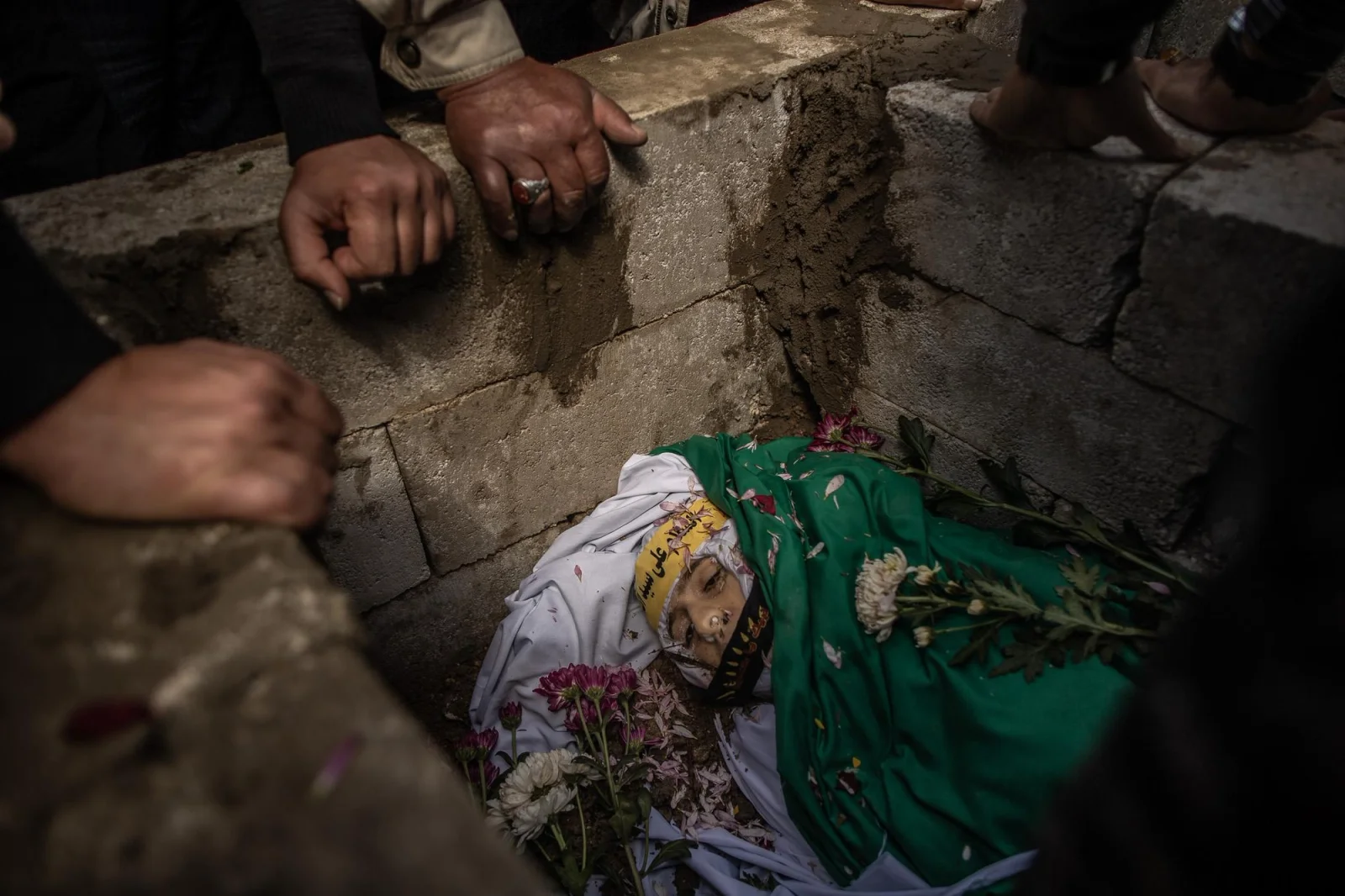
Funeral de Jawad de 11 años, asesinado en un ataque israelí junto a otros dos niños, incluido un bebé de 3 meses, y su madre. Líbano
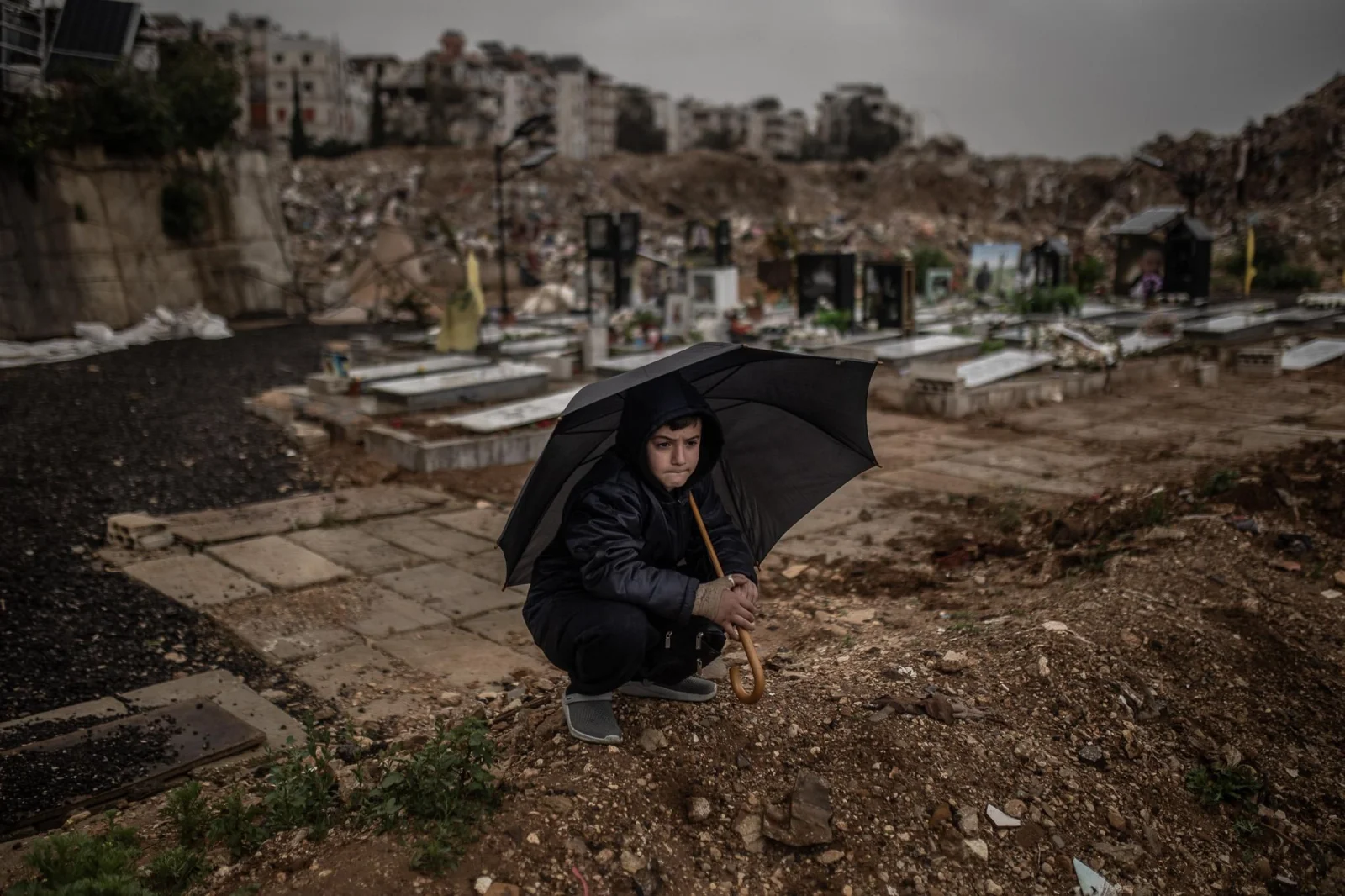
Un niño se resguarda de la lluvia bajo un paraguas durante el funeral de los periodistas Ali Shoeib, Fátima Ftouni y Mohamed Ftouni, asesinados en un bombardeo israelí en el sur del Líbano. Los reporteros murieron cuando un misil alcanzó su vehículo, claramente identificado con distintivos de prensa. Líbano
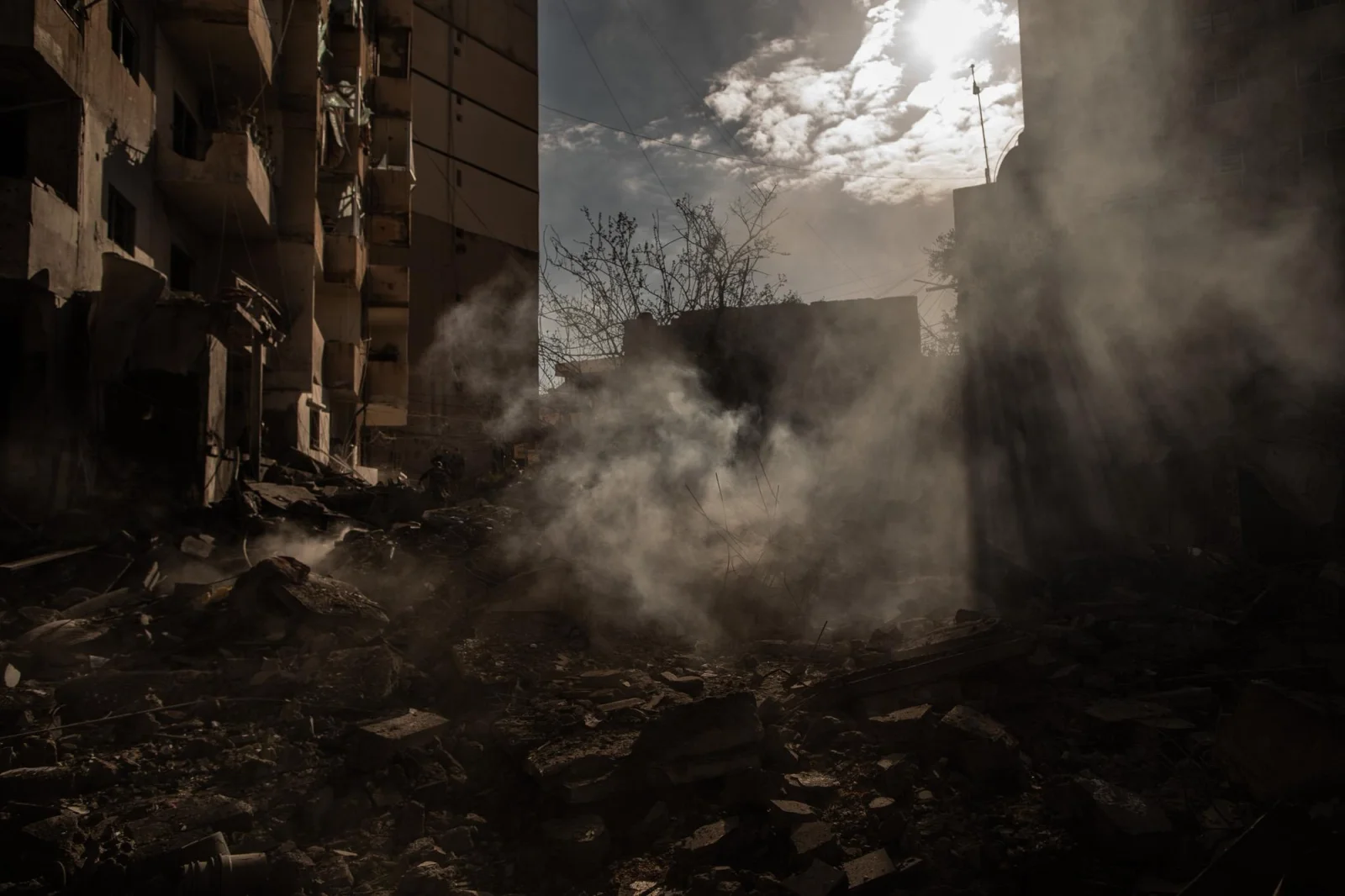
Columnas de humo emergen de los escombros de un edificio tras un bombardeo israelí en Tiro, Líbano, el 24 de marzo de 2026. Líbano
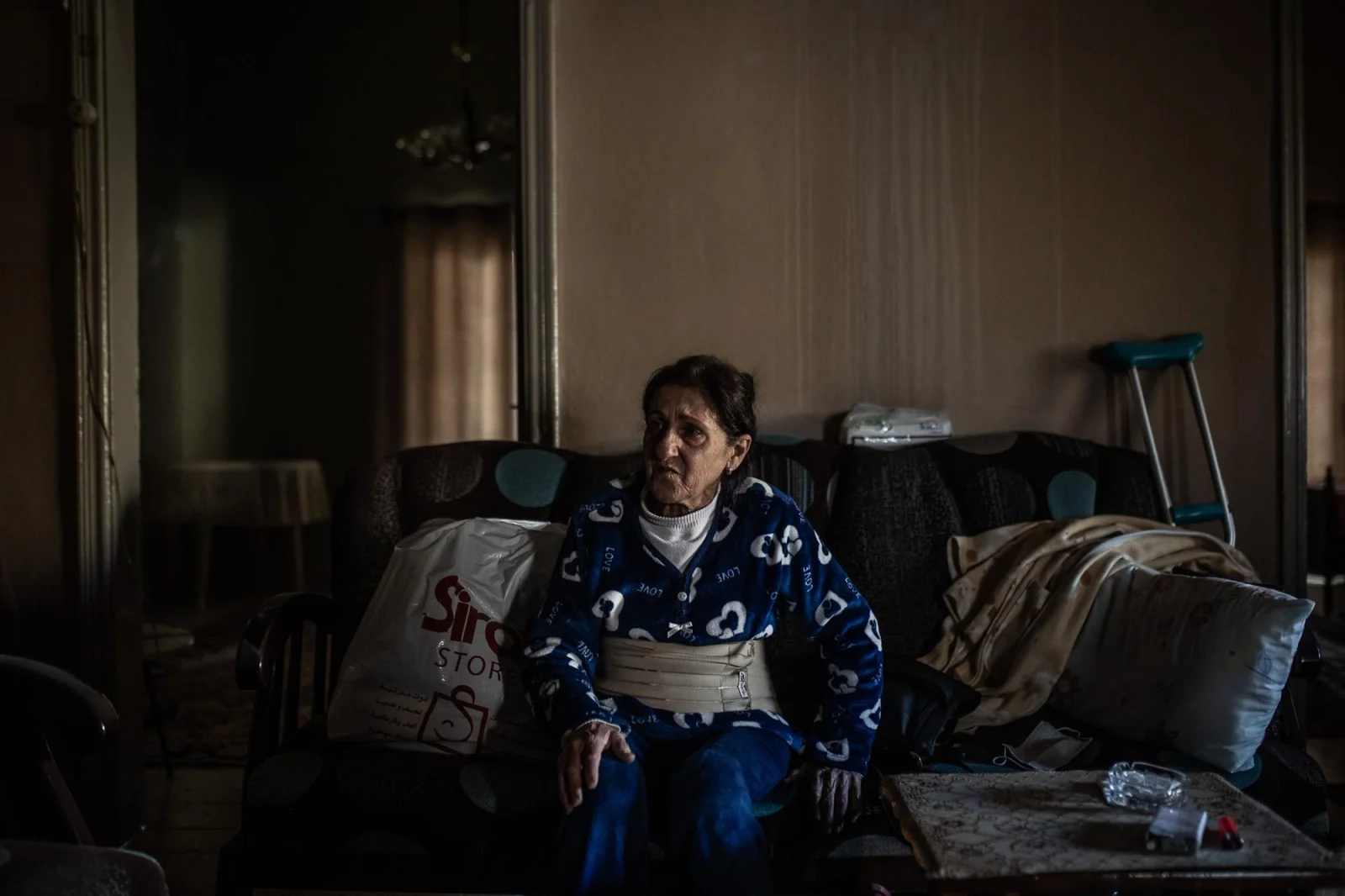
Miryat Arnaut, de 62 años, en el salón de su casa tras los daños causados por un bombardeo israelí en Tiro, en el sur del Líbano, el 24 de marzo de 2026. Líbano
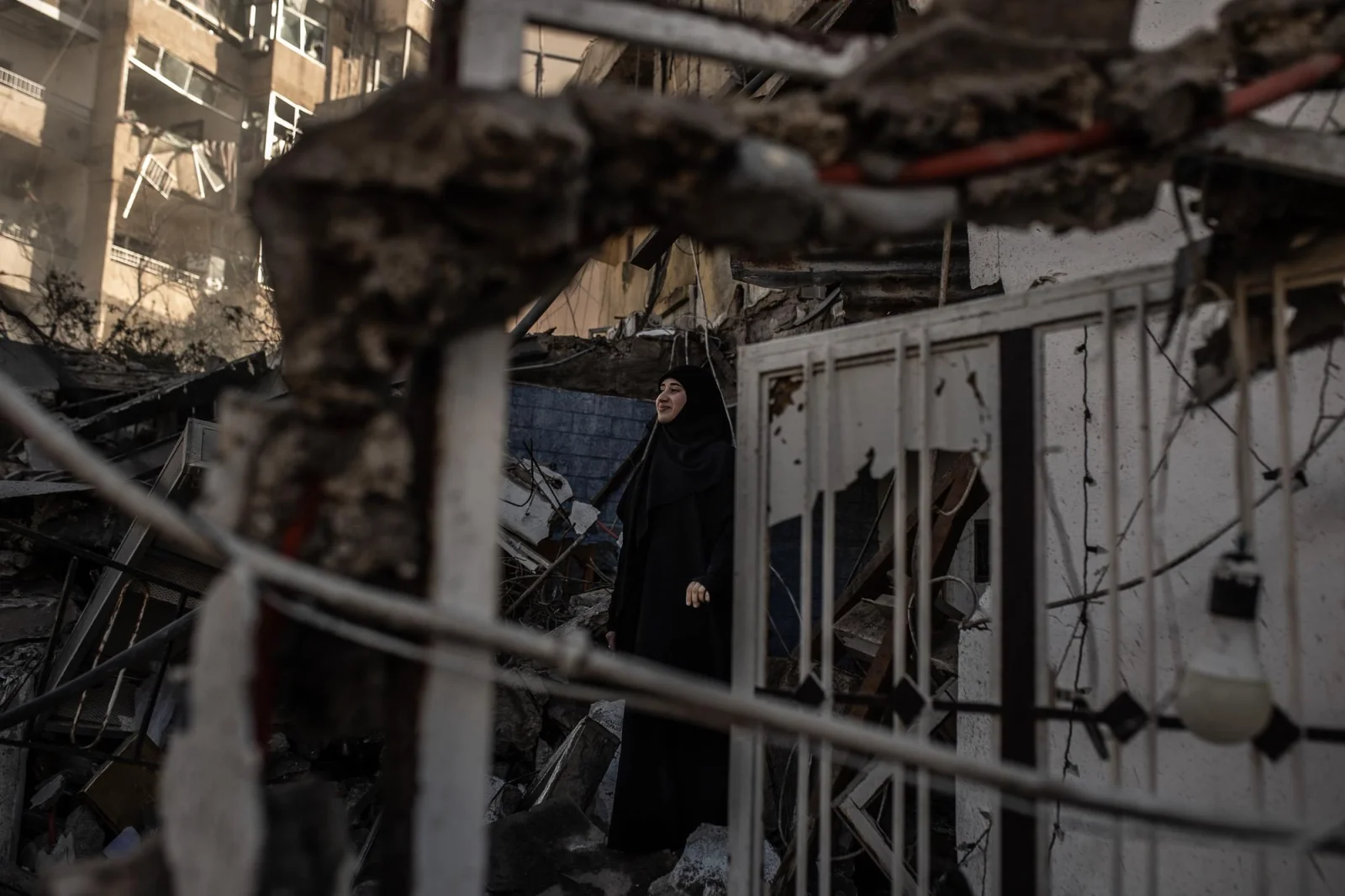
Una mujer libanesa observa los restos de su hogar destruido por un ataque aéreo en Tiro, en una jornada de bombardeos sistemáticos de Israel tras la escalada regional del pasado 2 de marzo. Líbano
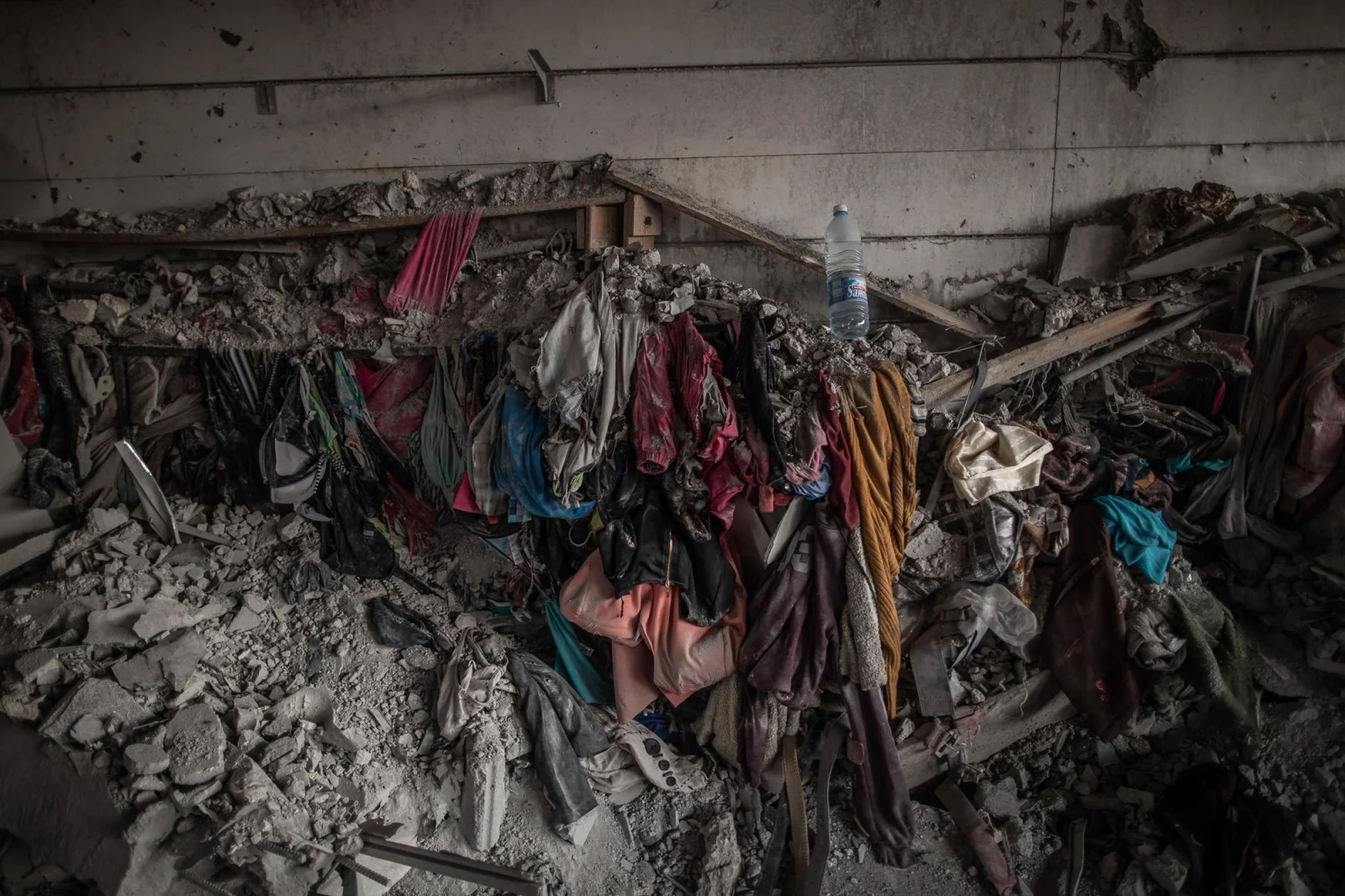
Una cuerda con ropa tendida permanece entre los restos de un ataque aéreo israelí en Nabatieh, Líbano, el 24 de marzo de 2026. Líbano
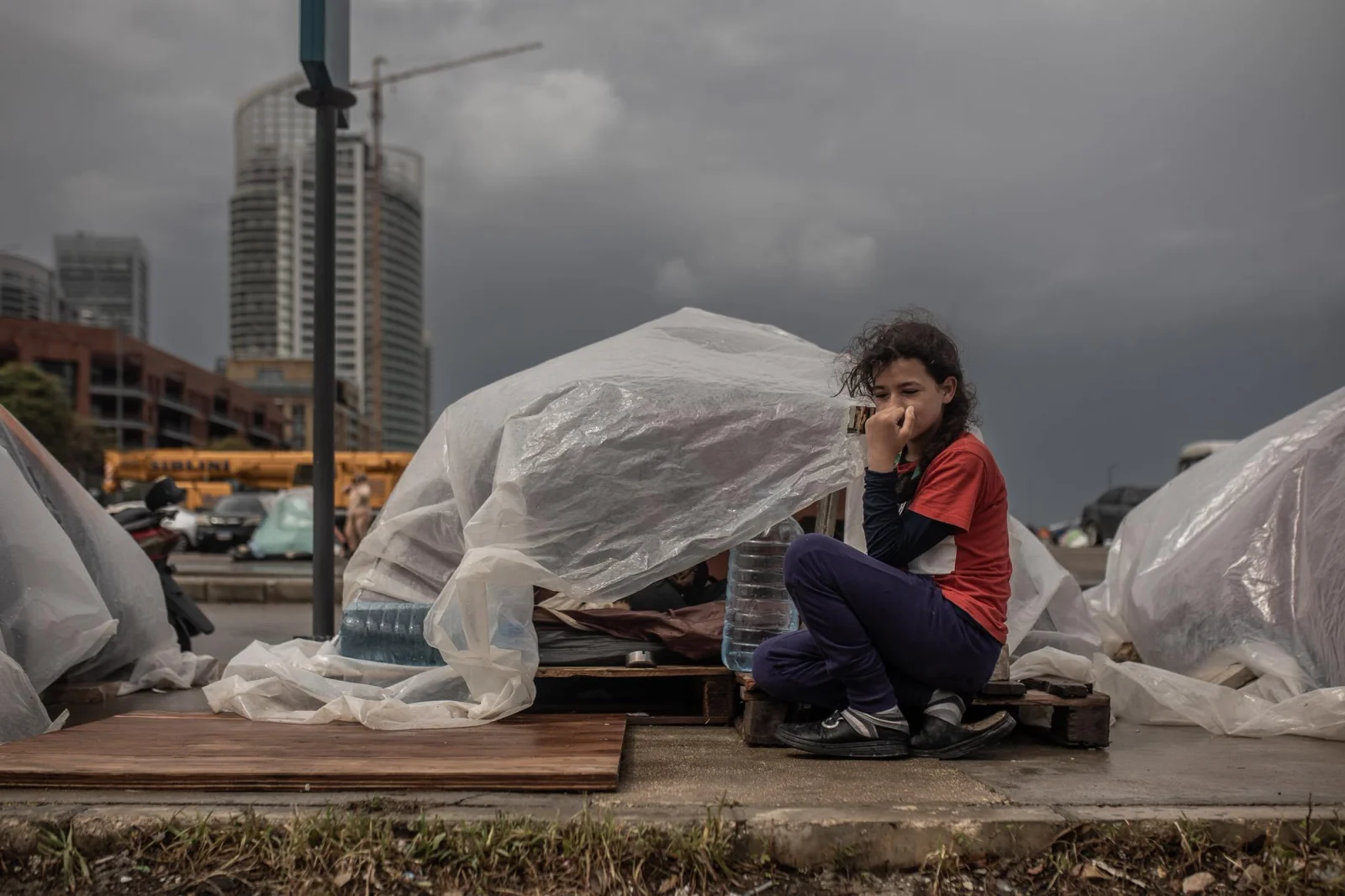
Yasmin, de 10 años, aguarda en un refugio improvisado con plásticos a orillas de una calle en Beirut. Como miles de desplazados por los bombardeos israelíes en el sur del Líbano y Dahie, espera poder regresar a su hogar. Líbano
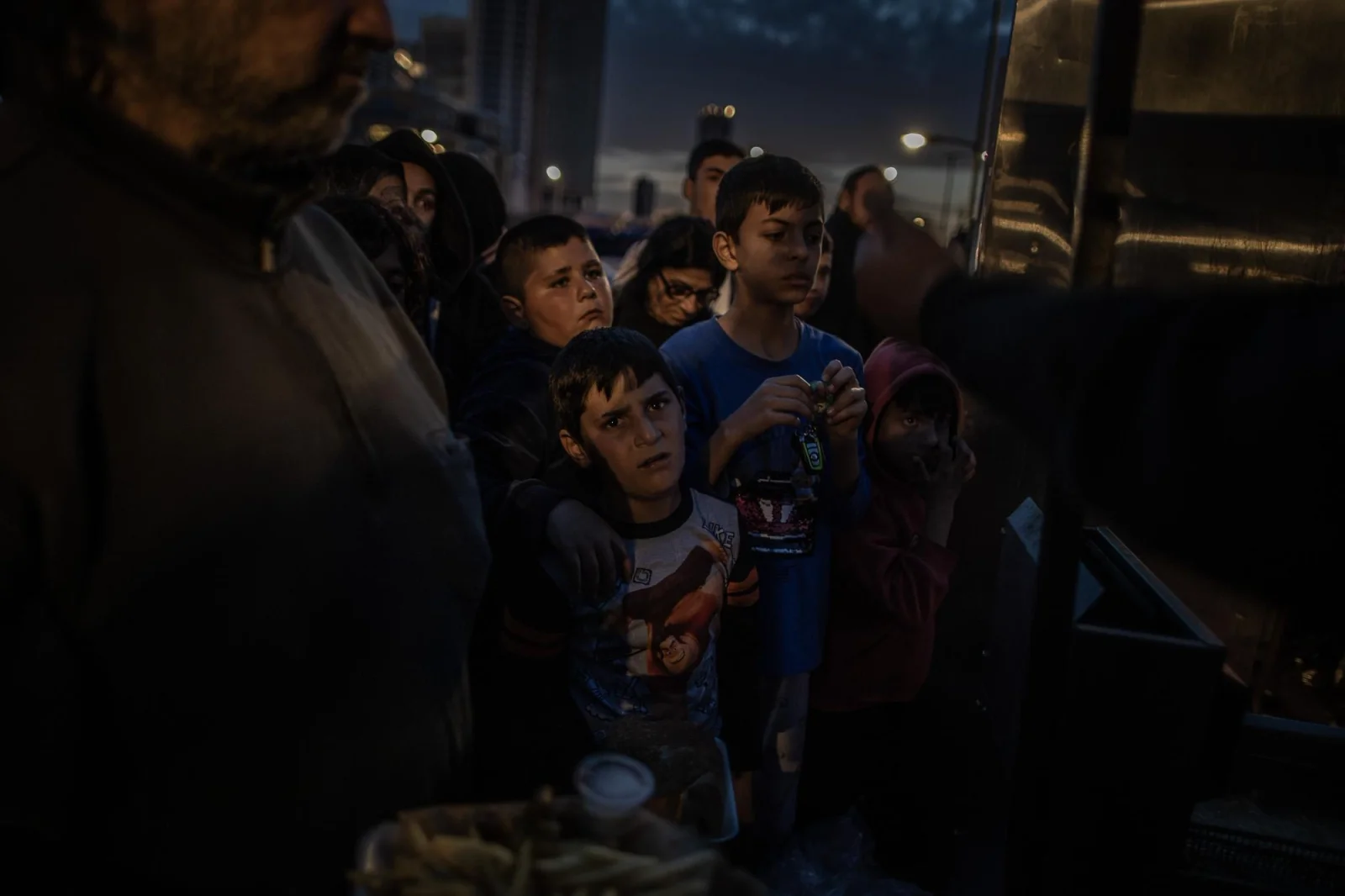
Un grupo de niños desplazados de su hogar por los recientes ataques israelíes esperan recibir una ración de comida en la ciudad de Beirut . Líbano
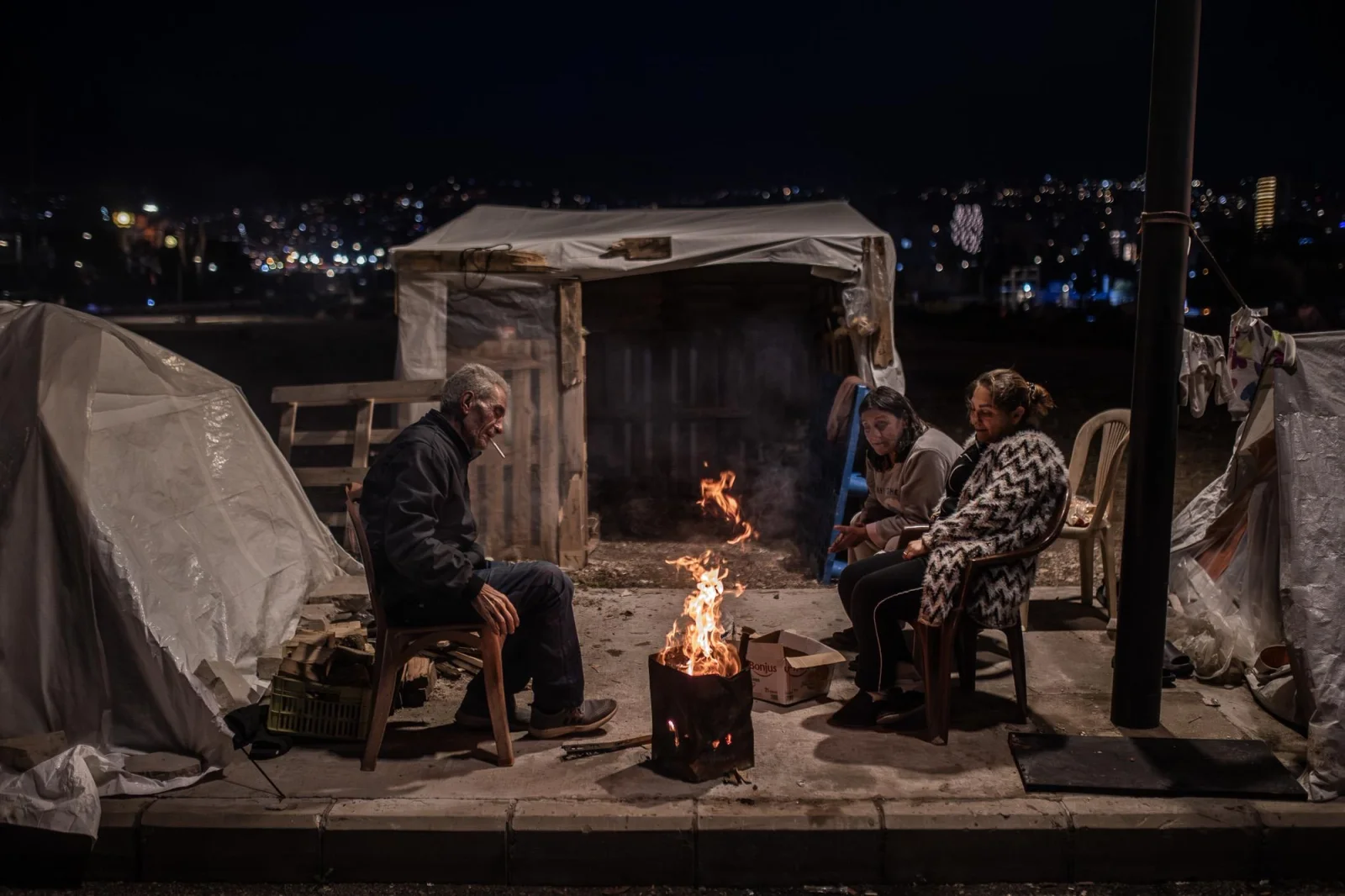
Un grupo de personas desplazadas de Dahie, al sur de Beirut, se agrupa alrededor de una hoguera frente a su tienda de campaña para combatir el frío. Líbano
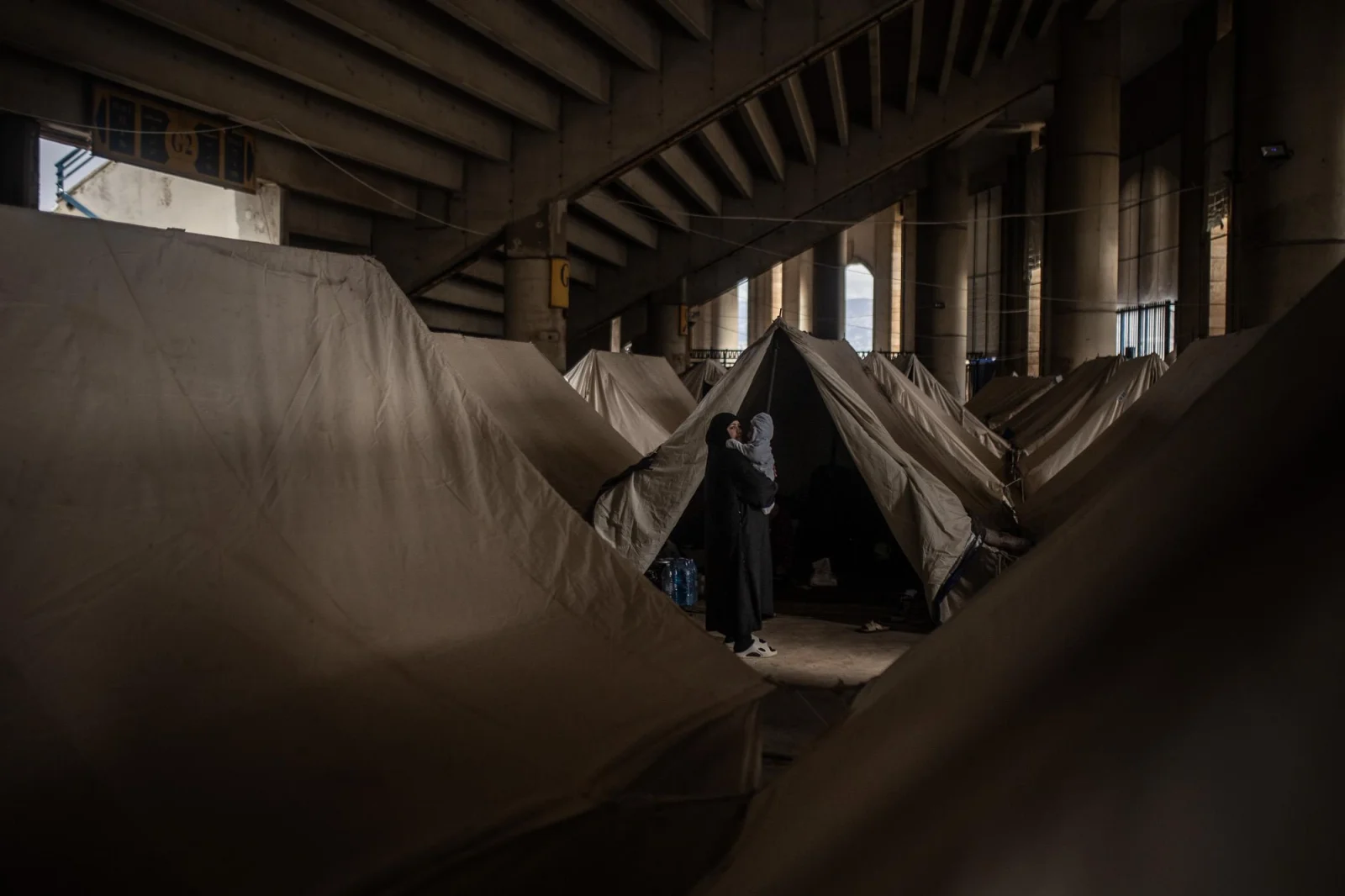
Una mujer sostiene a su bebé frente a su tienda en un campamento improvisado bajo las gradas de un estadio al sur de Beirut. Miles de familias desplazadas por los bombardeos israelíes buscan refugio en instalaciones mientras aguardan el fin de los ataques para regresar a sus hogares. Líbano
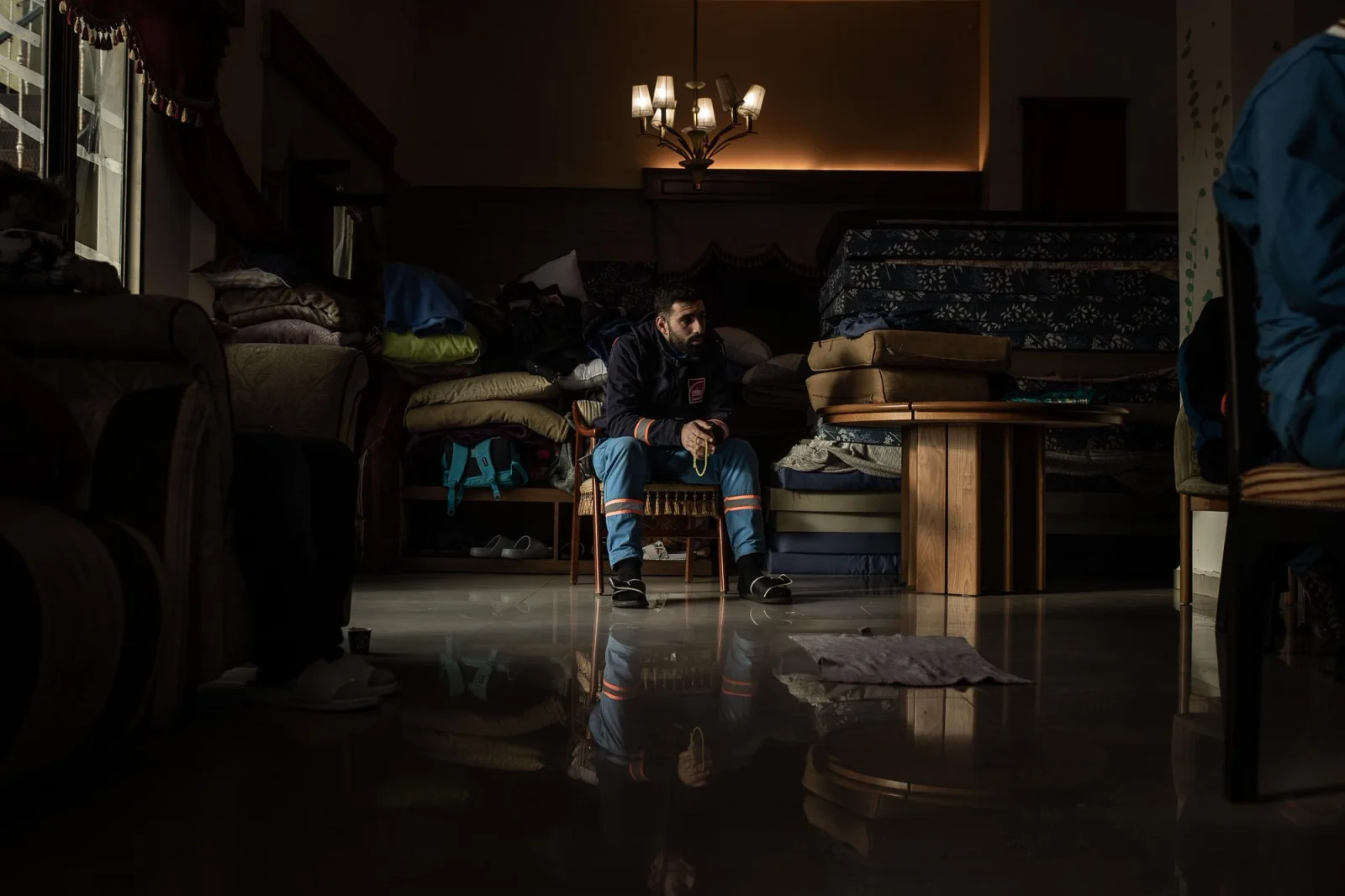
Mahdi Abu Zeid sostiene un masbaha durante una ceremonia de Ashura en Nabatieh en memoria de sus compañeros Joud y Ali, asesinados por un dron. Una semana después, Abu Zeid moriría víctima de un "double tap", una táctica israelí consistente en lanzar un segundo ataque cuando se acude al lugar del primer bombardeo para rescatar a los heridos. Líbano
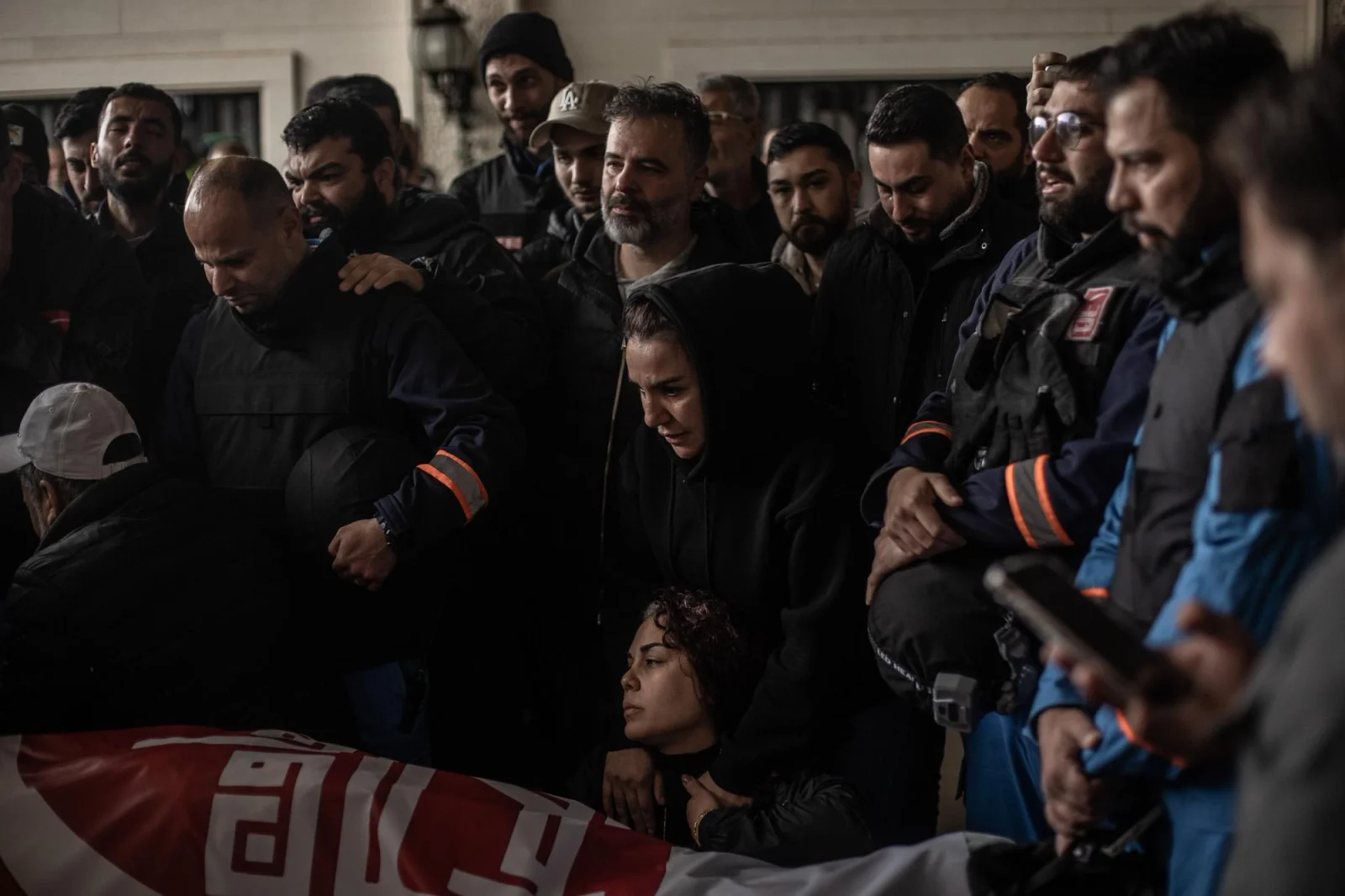
Likaa Shehouri llora la muerte de su hijo Joud Mohammad Suleiman, de 16 años, y de su compañero Ali Hassan Jaber, de 23, en el cementerio de Nabatieh, Líbano, el 25 de marzo de 2026. Los dos jóvenes paramédicos fueron asesinados por el impacto de un dron israelí mientras circulaban en motocicleta Líbano
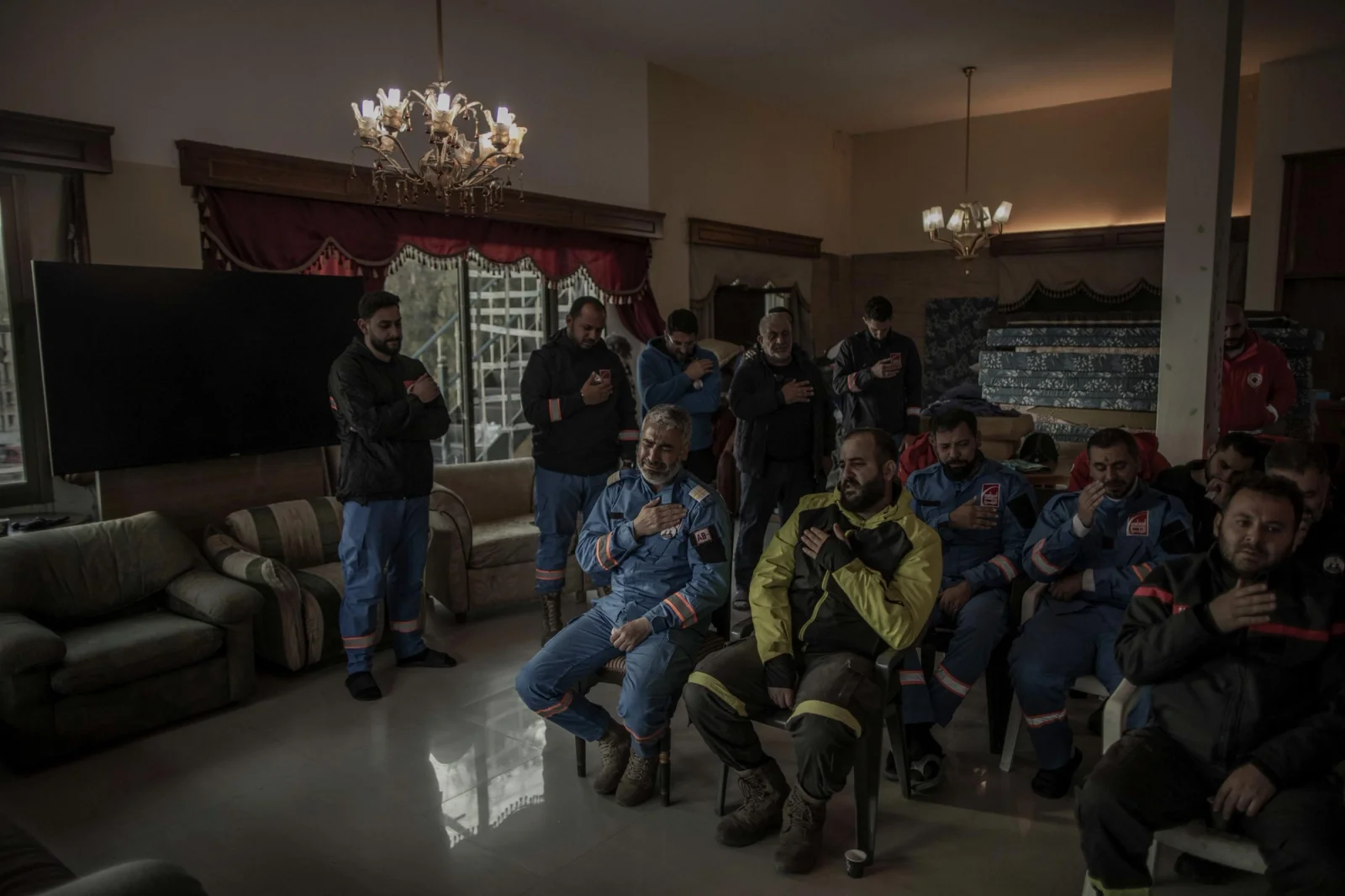
Mohammed Souleiman llora mientras reza junto a sus compañeros durante una ceremonia de Ashura en memoria de su hijo, asesinado por un dron en un ataque israelí en Nabatieh, Líbano. Miembros de la Defensa Civil continúan su labor en Nabatieh, al sur del Líbano, el 27 de marzo de 2026, tres días después del asesinato de Joud, el hijo de 16 años de Mohamad Souleiman Souleiman, jefe de una unidad de rescate local, permanece de servicio mientras los equipos responden a los ataques aéreos, ayudan a las pocas familias que quedan en la ciudad y distribuyen alimentos a los residentes. Nabatieh, que alguna vez fue el hogar de más de 50.000 personas, se encuentra ahora mayoritariamente desierta, con apenas unas 100 familias viviendo aún en la zona en medio de los constantes bombardeos. Líbano
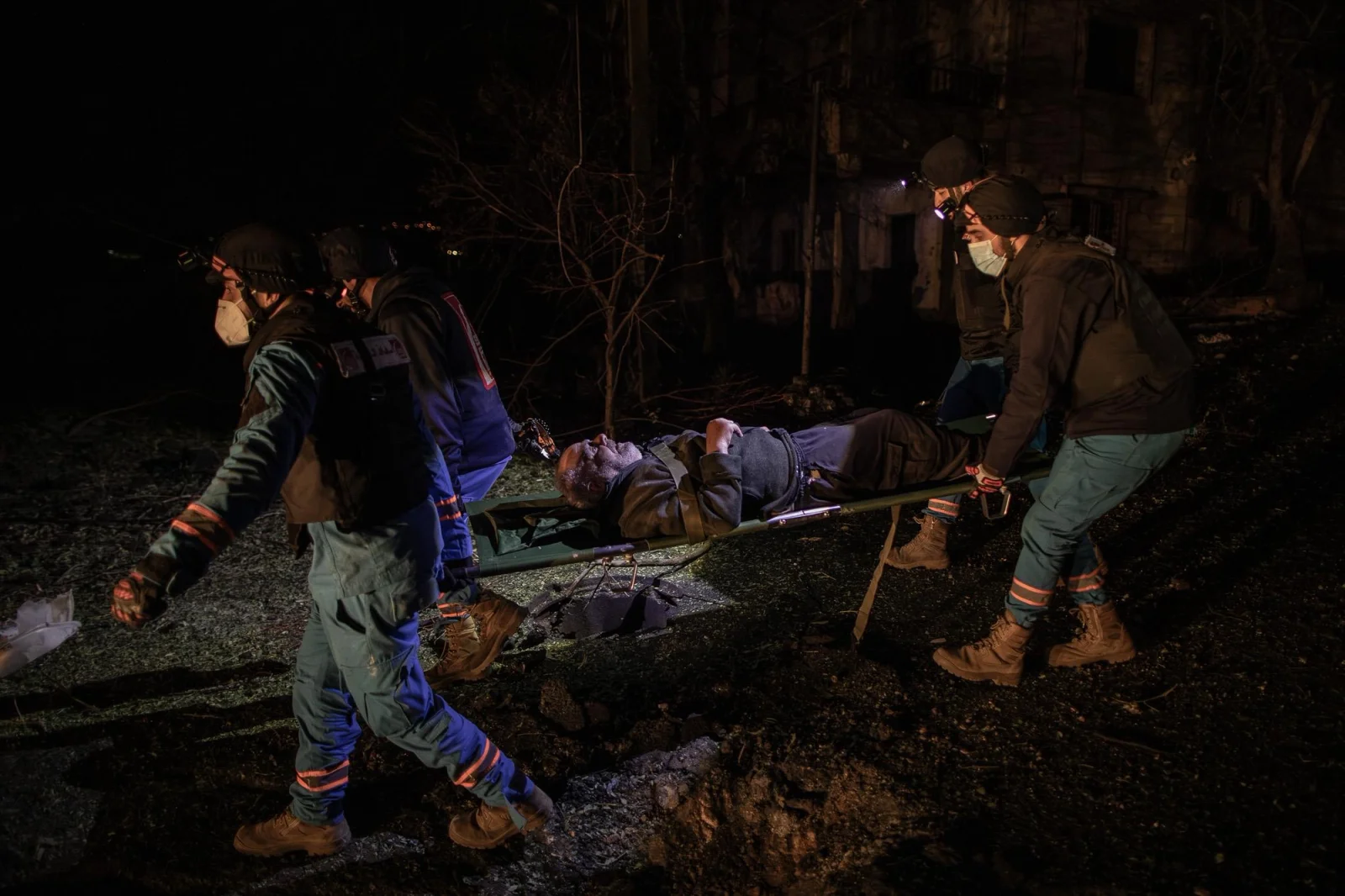
Paramédicos en Nabatieh evacúan de noche a un anciano en estado de shock tras el bombardeo de su vivienda. El traslado al hospital se realiza a máxima velocidad para reducir el tiempo de exposición y evitar un posible segundo ataque israelí sobre el lugar del primer impacto. Líbano
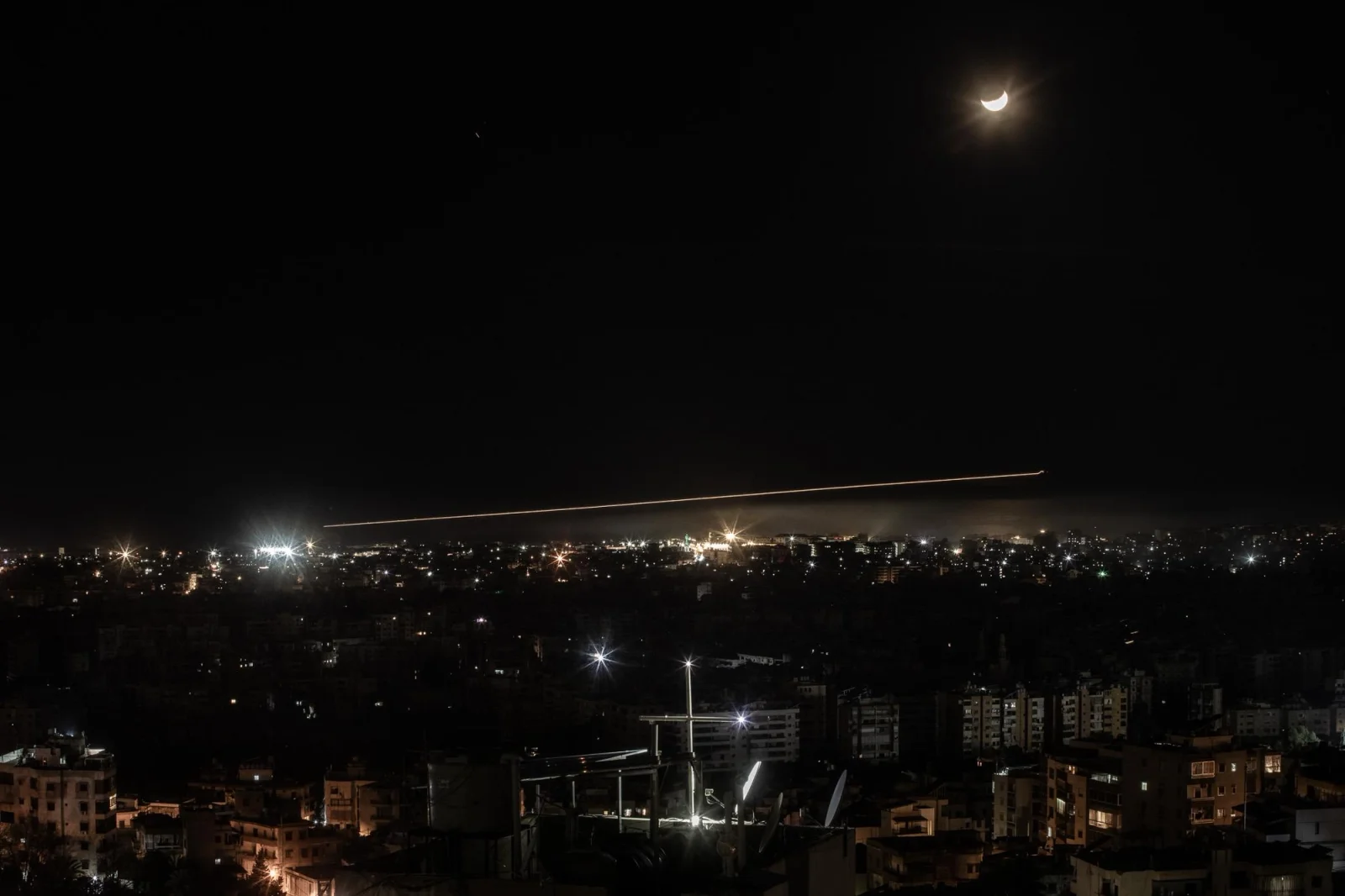
El skyline de Dahie, los suburbios del sur de Beirut, se mantiene a oscuras y bajo la amenaza constante de los bombardeos israelíes, que se concentran en esta zona densamente poblada. Al fondo, un avión de la compañía Middle East Airlines (MEA) se aproxima a la pista de aterrizaje del Aeropuerto Internacional Rafic Hariri. Líbano